
Aminoglycosides: 30S Ribosome Inhibition, Toxicities & Therapeutic Monitoring
High-Yield Clinical Pearls & Exam Keys
Aminoglycosides exhibit Concentration-Dependent Bactericidal Killing and a prolonged Post-Antibiotic Effect (PAE), supporting once-daily extended-interval dosing regimens.
Aminoglycoside entry across the bacterial inner cytoplasmic membrane requires an active oxygen-dependent electron transport system; therefore, they are completely inactive against strict anaerobes.
Aminoglycosides bind irreversibly to the 30S ribosomal subunit, causing misreading of genetic mRNA code and premature termination of protein synthesis.
Ask Dr. Medarro about Pharmacology
Instant NMC-grounded answers with standard textbook citations
Characteristic Aminoglycoside Toxicities
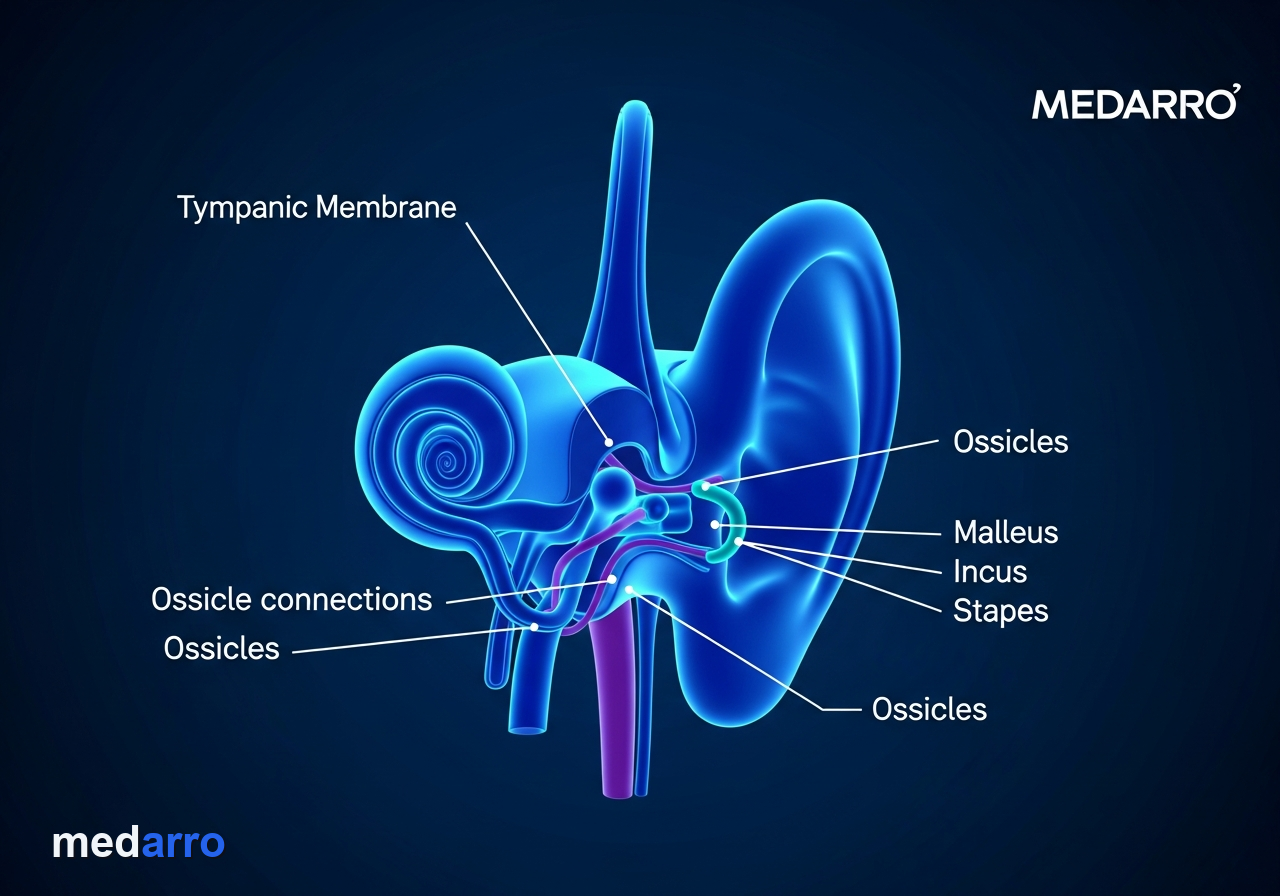
Ototoxicity: Irreversible sensory hair cell death in the cochlea (Amikacin/Kanamycin) or vestibule (Gentamicin/Streptomycin)
Nephrotoxicity: Reversible acute tubular necrosis in the Proximal Convoluted Tubule (accumulation in lysosomes)
Neuromuscular Blockade: Inhibition of presynaptic acetylcholine release (reversed by IV Calcium Gluconate)
Aminoglycoside Toxicity Profiles & Cellular Targets
| Aminoglycoside Agent | Primary Toxicity Predilection | Cellular & Biochemical Target |
|---|---|---|
| Gentamicin / Streptomycin | Vestibulotoxicity (vertigo, nystagmus, ataxia) | Damage to vestibular type I hair cells in cristae and maculae |
| Amikacin / Kanamycin | Cochleotoxicity (high-frequency hearing loss, tinnitus) | Destruction of outer hair cells in the basal turn of the organ of Corti |
| Neomycin | Severe Nephrotoxicity & Ototoxicity (most toxic aminoglycoside) | Restricted exclusively to topical use or oral bowel sterilization prior to surgery |
Interactive Clinical Vignette Practice
Live Rule-Out EngineA 45-year-old hospitalized patient with severe Pseudomonas aeruginosa sepsis is being treated with high-dose intravenous Gentamicin and Ceftazidime. Five days into therapy, his serum creatinine rises from 0.9 mg/dL to 2.4 mg/dL. Urinalysis reveals muddy-brown granular casts. A trough serum Gentamicin level is reported at 4.2 mcg/mL (target < 1.0 mcg/mL). What histological alteration in the kidney is responsible?
Unlock Complete Viva Traps & Additional Case Vignettes
Access model examiner answers, comprehensive rule-out breakdowns, and 4K spotter explanations.
Want 50+ Clinical Vignettes & 4K 3D Spotters on Pharmacology?
Practice Spaced Repetition Decathlon, generate instant 7-day adaptive study plans, and upload your college PDFs into the personal vault.